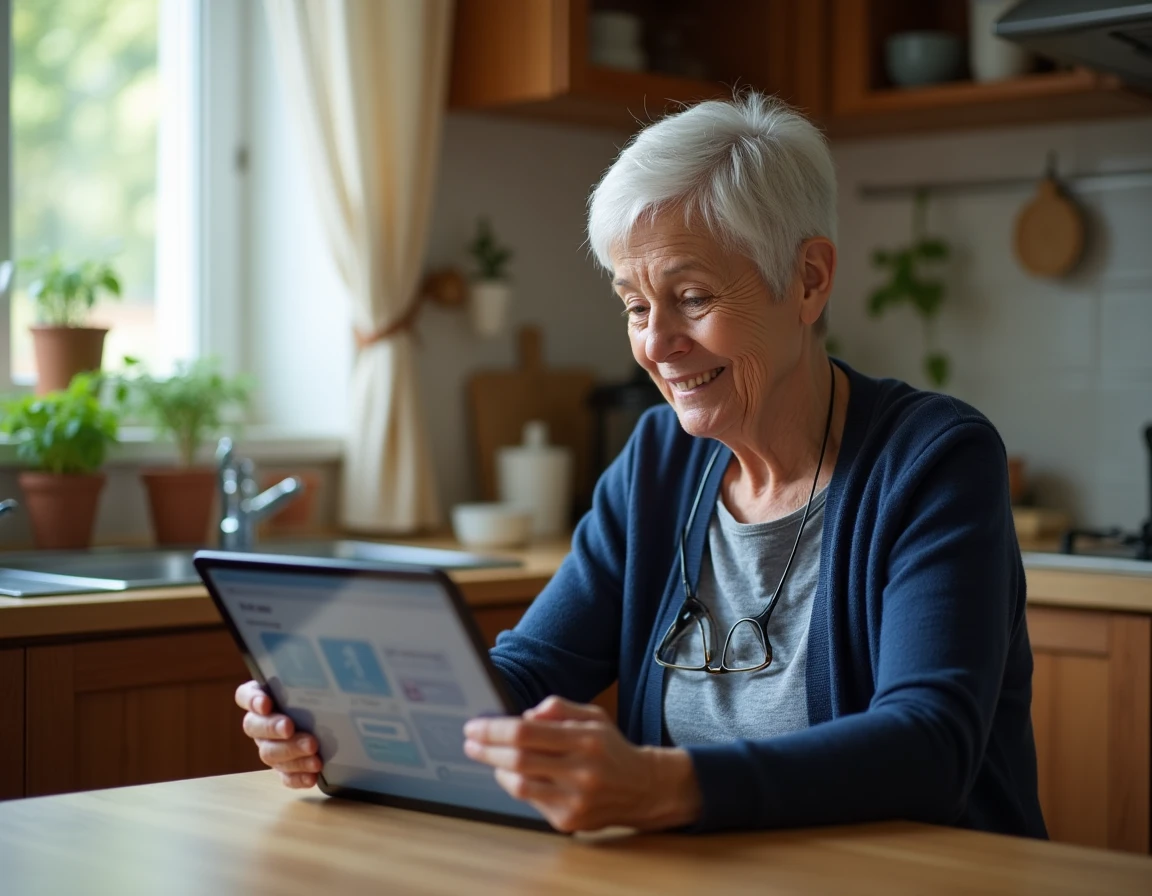
When a 78-year-old person needs to renew their identity card, find a reliable plumber, and organize a teleconsultation with their doctor, the problem is not the lack of services. It’s their dispersion. Innovative services dedicated to seniors are multiplying, but their effectiveness primarily depends on how they are coordinated in daily life.
Senior Concierges: A Game-Changing One-Stop Shop
Since 2023, several French cities have been experimenting with concierges dedicated to those over 60. Lyon and the 14th arrondissement of Paris are among the pilot areas. The principle: a physical counter combined with a digital platform centralizes daily requests (shopping, minor repairs, administrative procedures, cultural outings).
Human support is systematic. We do not ask someone who is not comfortable with a screen to navigate a web portal alone. A mediator takes charge of the request, translates it into concrete action, and ensures follow-up.
This hybrid model addresses a recurring blind spot: many seniors are aware of a service’s existence but give up due to the complexity of access. The concierge eliminates this friction. To explore the services offered by Magazine Seniors, this logic of centralization is also applied to a wide range of needs.
Home Autonomy Service: What the Well-Aging Law Created
The law to build a society for well-aging, enacted on April 8, 2024, established a precise framework: the home autonomy service. This is not a marketing label but a coordinated structure at the departmental level, linked to existing care and assistance services.
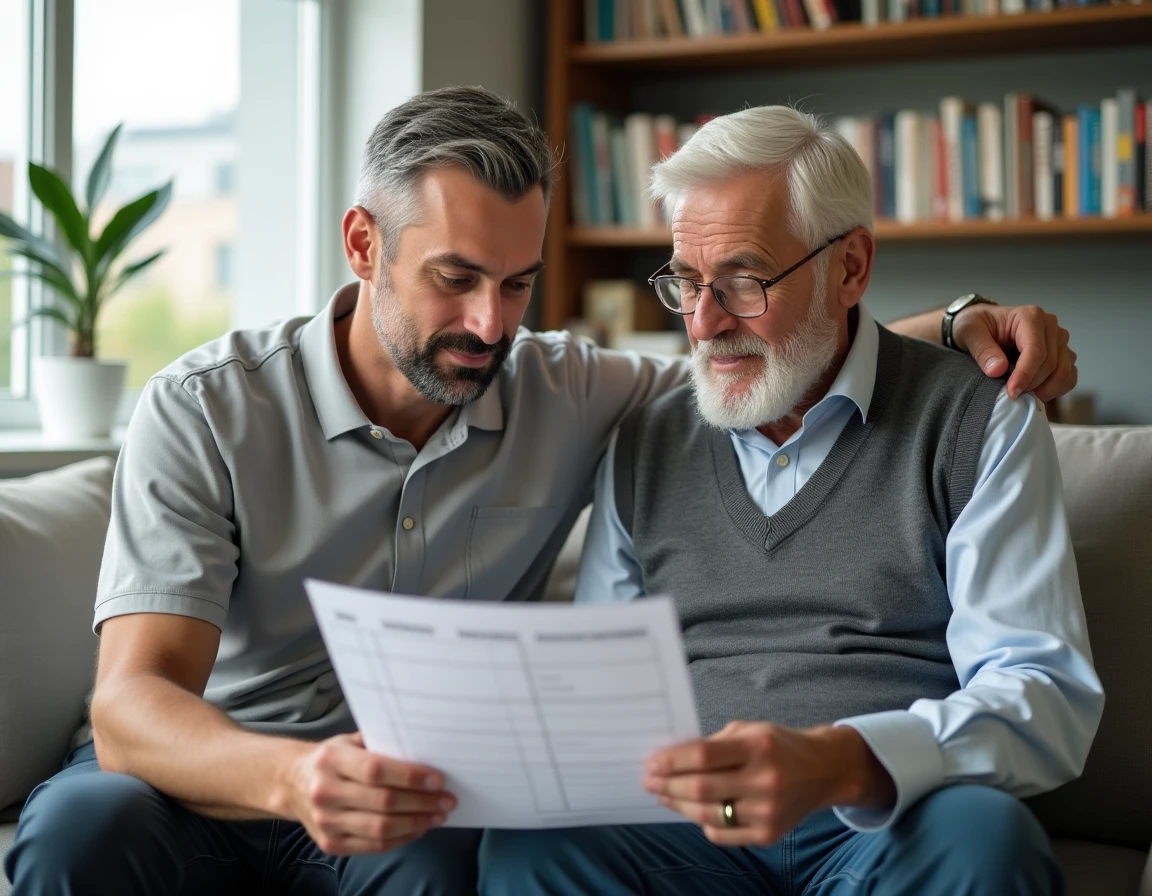
Specifically, this service groups home assistance, nursing care, housing adaptation, and digital solutions under a single coordination. The goal is to eliminate redundancies and gray areas between providers.
Before this law, one could have a housekeeper managed by an organization, a freelance nurse, an occupational therapist mandated by the pension fund, and a teleassistance provider, with none communicating with the others. The home autonomy service imposes unique coordination by department.
What This Changes for Families
Family caregivers spent considerable time acting as conductors among various providers. With this new framework, a departmental contact centralizes information and adjusts interventions.
Feedback on this point still varies by department, as deployment is gradual. Some rural areas progress faster than others due to prior experiments.
Smart Villages in Rural Areas: Telehealth and On-Demand Transport
In urban areas, the density of services partially compensates for their dispersion. In rural areas, the problem is the opposite: services are simply lacking. Departments like Creuse and Corrèze have been testing “smart villages for seniors” since 2022 that combine several components.
- A adapted habitat grouped around collective living spaces, with housing designed to limit falls and facilitate movement
- An on-demand transport system, often shared among several municipalities, to access shops and medical consultations
- Telehealth kiosks installed in town halls or service houses, allowing for teleconsultations accompanied by a digital mediator
- Organized neighborhood services: group shopping, planned social visits, community alerts in case of heat waves or detected isolation
The evaluative follow-up of these systems shows a decrease in avoidable hospitalizations. This result is explained by the early detection of health issues thanks to the human and technological network.

Why This Model Doesn’t Translate Everywhere
These smart villages work because they rely on a dense local associative fabric and committed elected officials. In municipalities where volunteering is waning, the model holds up less well. Technology does not replace human connection; it amplifies it.
It is also observed that seniors’ acceptance of digital tools heavily depends on the presence of a trusted third party. A fall sensor installed without explanation will be unplugged within a week. The same sensor presented by the village nurse will be adopted sustainably.
Digital Mediation and Acceptance of Tools by Seniors
The Broca Living-Lab, specialized in health and autonomy technologies, places real-world evaluation at the center of its approach. Its deputy director, Samuel Benveniste, summarizes the approach: adapt technologies to improve their use, rather than designing sophisticated tools that no one uses.
Simplified phones illustrate this logic well. The underlying technology is ordinary. The innovation lies in the interface: large buttons, photo contacts, emergency call with one press. Innovation for seniors is often a matter of ergonomics, not technical prowess.
The same logic applies to connected pill dispensers, teleassistance watches, or pre-configured tablets. The device works if someone has taken the time to set it up, explain it, and check that it is being used correctly after two weeks.
The Role of Caregivers in Adoption
Home care professionals effectively become digital mediators. A caregiver who visits three times a week can check that the tablet is charged, that the teleassistance bracelet is worn, and that the medication tracking app is sending its reminders correctly.
This shift in competencies raises the question of training. Organizations that integrate a digital component into the training of their staff achieve better adoption rates of tools among beneficiaries.
The multiplication of services dedicated to seniors is only valuable if each link, human or digital, communicates with the others. The most effective systems share a common point: they start from the concrete needs of the person, not from the available technology. This inversion of logic distinguishes a gadget from a true daily service.