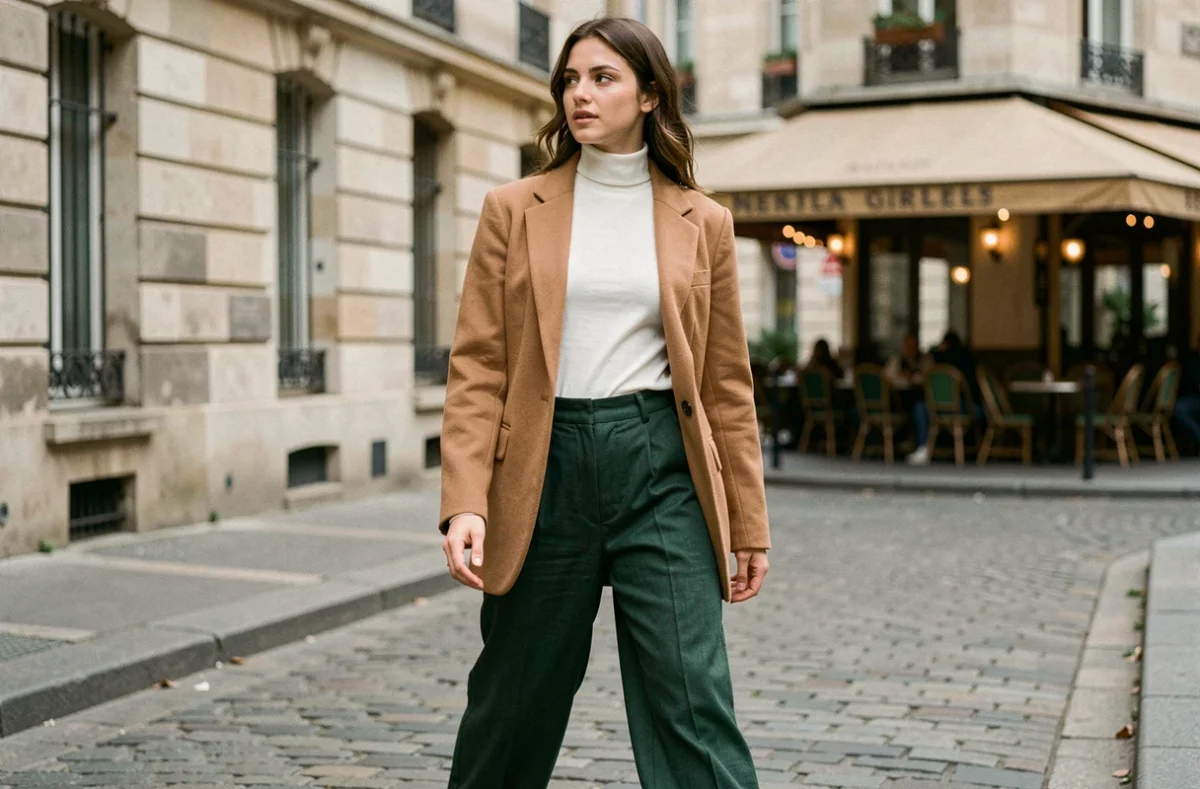
Each season redefines fashion codes, and the autumn-winter 2026 season is no exception. Rather than listing fashion trends without filter, this article compares the dominant currents based on several criteria: ease of adoption, compatibility with an existing wardrobe, and relevance according to shopping circuits, including second-hand, which is gaining traction in France.
Autumn-Winter 2026 Fashion Trends: Comparative Table of Major Currents
| Trend | Key Pieces | Ease of Integration into Wardrobe | Availability in Second-Hand |
|---|---|---|---|
| Saturated Colors (lavender, glacier blue) | Flowy dresses, sweaters, accessories | High (one colorful piece is enough) | Medium (specific colors are rarer) |
| Chic Workwear | Structured work jackets, wide trousers | High (pairs well with basics) | Strong (utility pieces are very present) |
| Transparency and Lace | Tops, layered dresses | Medium (requires a layering game) | Medium |
| Maximalism (brooches, volumes) | Oversized accessories, multiple layers | Low (requires stylistic coherence) | Strong (abundant vintage accessories) |
| Chic Streetwear | Dressy sneakers, reimagined bombers | High (mixable with formal wear) | Strong (well-circulated streetwear brands) |
This comparison highlights a clear gap: the trends easiest to adopt this season are those based on a single piece integrated with existing basics. Chic workwear and saturated colors top the list, while maximalism demands a more significant stylistic investment.
To delve deeper into these currents and discover updated selections of pieces, the fashion page of Lydie Tendances details each universe with concrete proposals.
Lavender and Glacier Blue: Why They Dominate Seasonal Looks
The two shades that stand out the most in the autumn-winter 2026 collections are lavender and glacier blue. Their common point: a cool brightness that contrasts with the neutral palettes of previous seasons.
Lavender appears in flowy dresses, satin shorts, and handbags. Glacier blue covers a broader spectrum, from coats to sweaters to makeup. These frosty tones work as accents in an autumn look built on dark or gray bases.
Adopt Color in Touches Rather Than Total Looks
Replacing a neutral accessory with a lavender bag or swapping a gray sweater for a glacier blue one is enough to anchor an outfit in the season. The total monochrome look in these shades remains the domain of runways. In everyday life, a colorful piece against a neutral background creates sufficient visual impact.
For glacier blue in particular, layering plays a key role: a blue turtleneck under a navy blazer creates depth without excess.
Second-Hand and Fashion Trends: A Relevant Shopping Circuit
Sales of second-hand textiles and shoes increased in France in 2025. The segment that advanced the most is that of sales driven by brands and distributors themselves, rather than just exchanges between individuals.
This observation changes the way to compose a trendy look. Workwear pieces (utility jackets, wide heavy canvas trousers) and maximalist accessories (vintage brooches, oversized jewelry) are among the best-represented categories in second-hand.
When Second-Hand Replaces a New Purchase, the Benefit Exists
Refashion highlights a point often overlooked: second-hand only reduces environmental impact if it replaces a new purchase. Buying a vintage brooch in addition to a new one nullifies the benefit. The question to ask before each second-hand purchase remains simple: does this piece replace something I would have bought new?
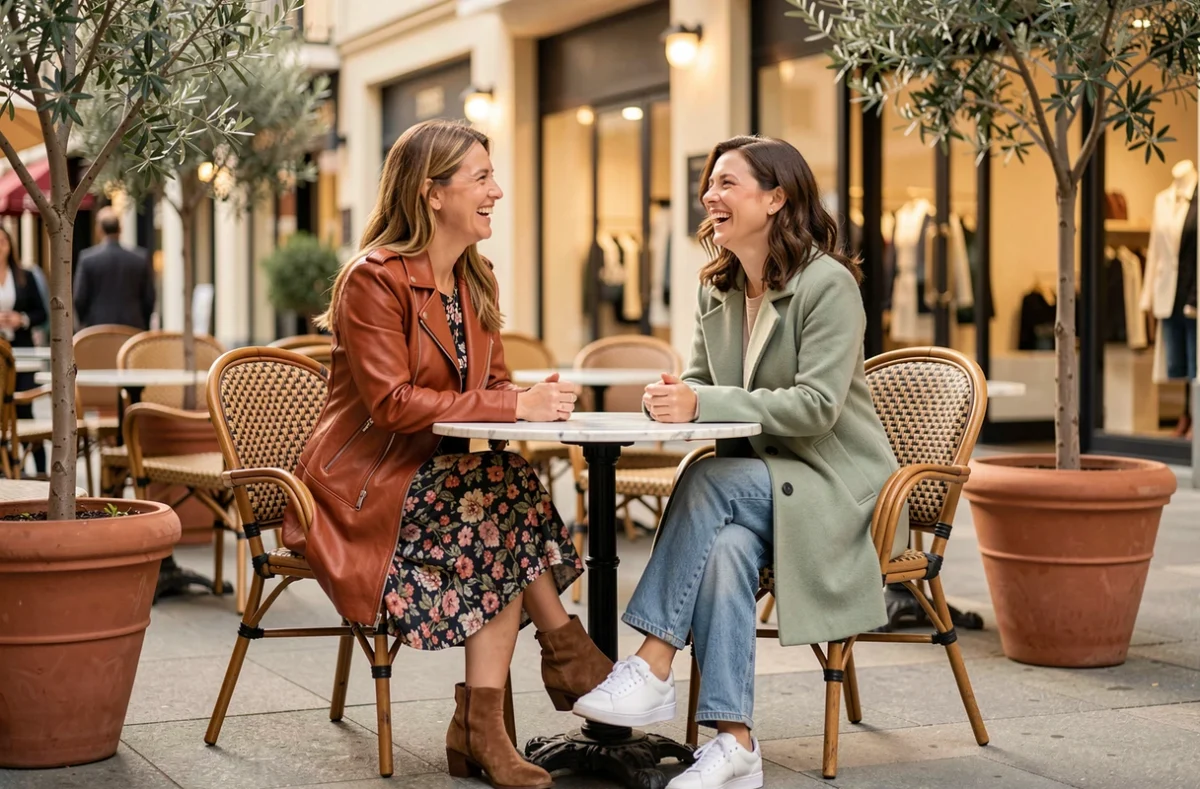
- Thrift stores and physical consignment shops remain a major circuit for finding seasonal pieces at reduced prices, particularly structured jackets and accessories.
- Second-hand corners offered by certain brands allow you to find recent pieces, sometimes from last year’s collections, in nearly new condition.
- Online platforms offer a broader volume, but searching for specific trends (lavender, workwear) requires more sorting time.
Unsold Textiles and European Regulation: What Changes for Brands in 2026
Since July 19, 2026, large companies in the European Union are no longer allowed to destroy their unsold clothing and shoes. This ban, stemming from the ecodesign regulation, applies to companies exceeding certain revenue and workforce thresholds.
The consequences for consumers are not immediate, but they outline a fundamental movement. Brands that can no longer destroy their stocks have an interest in selling their unsold items through clearance or donation channels. In the long term, this could increase the supply of recent pieces available at reduced prices or in second-hand.
A Gradual Effect on the Availability of Trendy Pieces
SMEs benefit from an additional grace period before being subject to this obligation. The effect on the market will therefore be gradual. For buyers, the most direct practical consequence is the increasing emergence of clearance corners in large stores, where unsold seasonal pieces become accessible a few months after their release.
This dynamic reinforces the relevance of a reflex: before paying full price for a fleeting trend like transparency or maximalism, check if the piece already exists in a clearance or second-hand circuit.
Chic Workwear and Revisited Streetwear: The Trends Most Compatible with an Existing Wardrobe
The comparative table at the beginning of the article shows: chic workwear and revisited streetwear combine ease of integration and strong availability in second-hand. These are the two most accessible currents of the season.
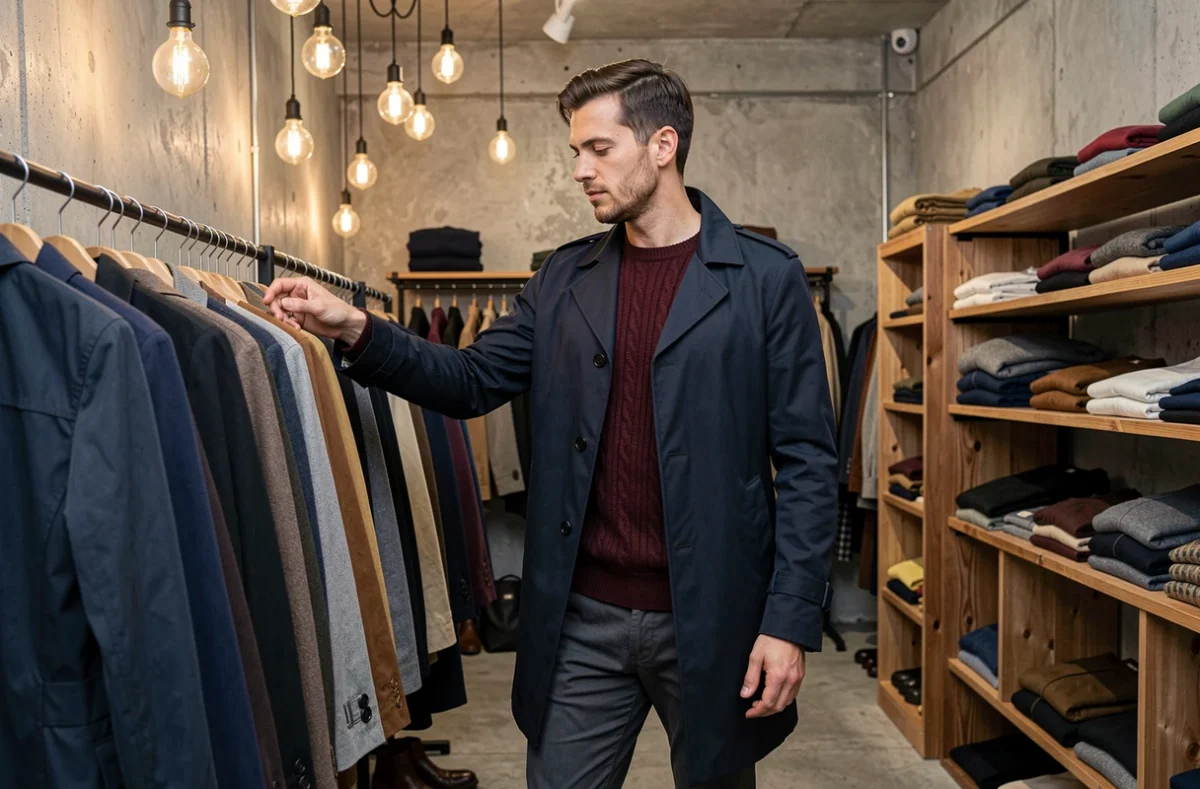
Chic workwear relies on structured pieces with clean lines. A heavy canvas work jacket worn over straight jeans and a white t-shirt creates a complete look effortlessly. Chic streetwear, on the other hand, plays on mixing styles: a reimagined bomber with dress pants, or polished sneakers under a flowy dress.
- Utility jacket with patch pockets: the most versatile piece of chic workwear, wearable from the office to the weekend.
- Textured bomber (boiled wool, soft leather): it replaces the classic jacket by adding a more refined dimension.
- Monochrome leather sneakers: they ensure the transition between casual wear and structured looks without breaking style.
This season’s trends are divided between two distinct logics. On one side, currents easy to adopt by simply substituting a piece in an existing wardrobe. On the other, more radical aesthetics that require a complete style overhaul. The choice depends as much on budget as on appetite for fashion risk, and the rise of second-hand circuits now offers a third way to test without over-investing.