
Carrefour City, Carrefour Market, and Carrefour Express respond to distinct placement, assortment, and pricing strategies. Understanding these formats prevents confusion between a neighborhood supermarket and an urban convenience store, two business realities that the Carrefour group manages with separate specifications.
Logistical Model and Supply Constraints by Carrefour Format
The point that consumer comparisons often overlook is the supply chain. Carrefour Market operates on a classic supermarket logistical model, with daily deliveries from regional warehouses and a sufficient buffer stock to absorb weekend peak traffic.
City and Express, on the other hand, rely on more frequent deliveries in smaller volumes. The reserve areas are limited, sometimes to a simple back room. This constraint imposes a high product turnover rate and mechanically limits the depth of the range.
In practice, a Carrefour Market can offer several references per category (three or four brands of unsalted butter, for example), whereas a City often presents only one or two. Express, even more compact, prioritizes the reference with the highest turnover. We observe that this compression of the offer explains a significant portion of the price gap between formats, much more than just the commercial margin.
To delve deeper into the differences between Carrefour City, Market, and Express, one must think in terms of logistical cost per square meter, not just sales area.
Carrefour City or Express: Distinction by Use, Not Just Size
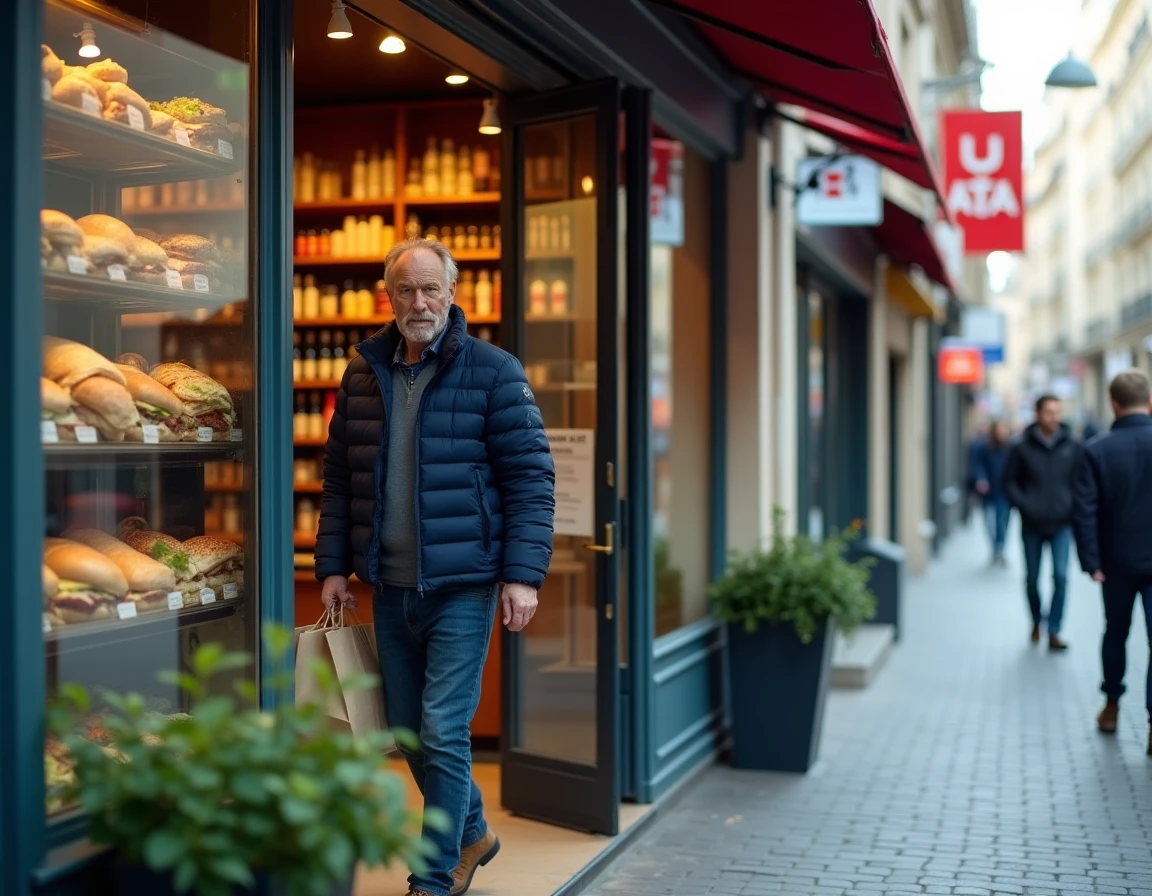
Reducing the difference between City and Express to a matter of size is a common mistake. City targets home-to-work commutes, with locations in residential neighborhoods or along busy thoroughfares. The assortment is oriented towards everyday meals: fresh products, everyday grocery items, catering section.
Express responds to a different logic. Positioned in very urban or tourist areas, this format focuses on immediate consumption: cold drinks, snacks, late-night convenience products. Opening hours are often more extended, with closures at 10 PM or 11 PM depending on the location.
Criteria for Choosing Between City and Express
- The target average basket: City is suitable for planned top-up shopping (dinner meals, weekday breakfasts), while Express is for impulsive purchases or last-minute forgetfulness.
- Price sensitivity: Express has the highest prices in the group, as the cost per square meter and extended hours are reflected in shelf prices.
- The availability of private label brands: City offers a broader range of Carrefour products (private label), while Express reduces this offer in favor of well-known national brands and single-serve formats.
Carrefour Market: Price Positioning Against Competing Supermarkets
Market is positioned in the proximity supermarket segment, halfway between hypermarkets and compact formats. Its sales area allows for a developed fresh produce section, a bakery-pastry space, and sometimes a bio corner or catering area.
Market remains more expensive than a Carrefour hypermarket or a Leclerc, but the gap narrows on private label products and weekly promotions. Que Choisir’s analyses of proximity stores show that Carrefour’s proximity brands rank among the most expensive in their segment.
We recommend distinguishing two uses:
- Main weekly shopping: Market can be suitable if one prioritizes geographical proximity and is willing to work with a budget slightly higher than that of a hypermarket.
- Supplementary shopping: for two or three missing items, Market does not offer a price advantage over City, and the difference in assortment only justifies the detour for specific fresh products.
- Promotional purchases: Market benefits from the same national operations as Carrefour hypermarkets, which is not always the case for City and Express.
Carrefour Proximity Strategy: What Changes Since 2023
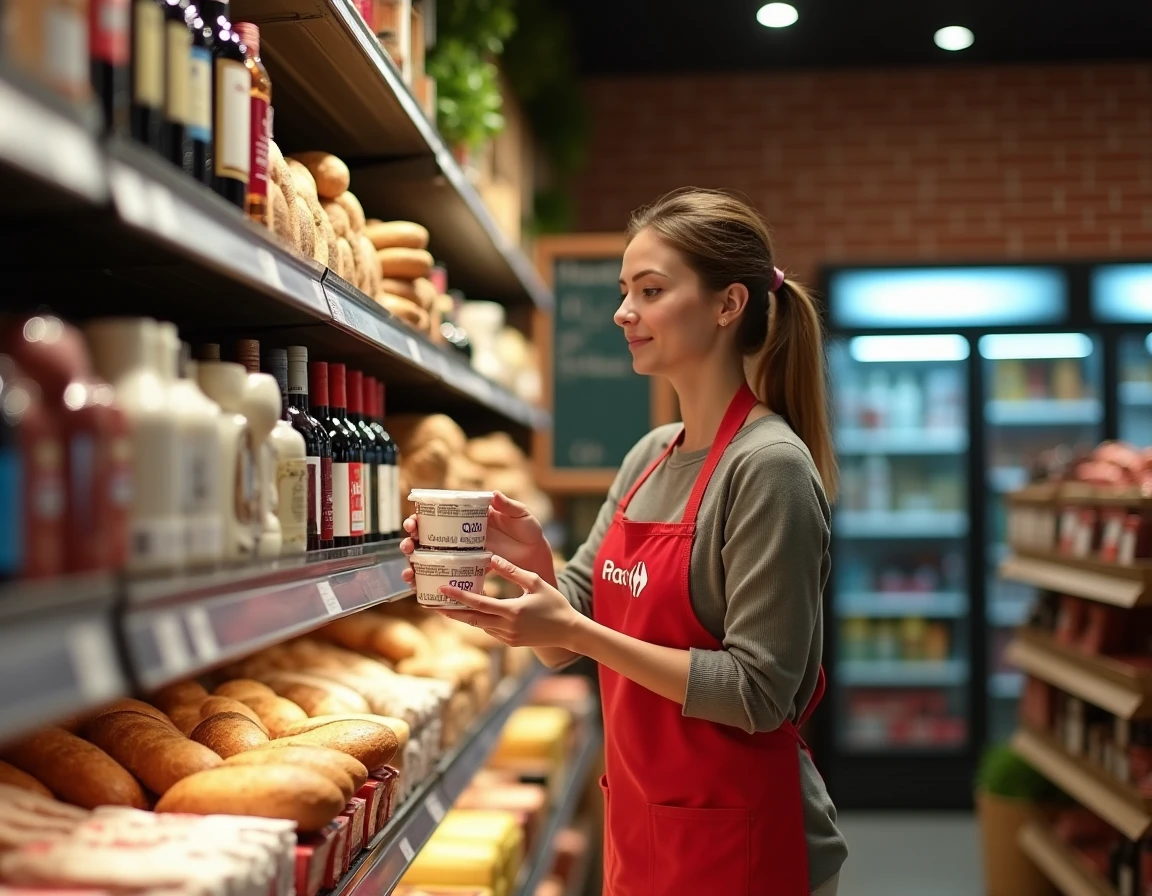
The Carrefour group has repositioned its proximity brands as a growth lever. City and Express are no longer secondary formats but are now key players in urban territorial coverage, where hypermarkets cannot establish themselves.
This repositioning comes with an expansion of the service offering: click and collect, express delivery via partners, and enhanced integration of the loyalty program. The Express format now absorbs part of the former Carrefour Contact brands in semi-urban areas, which sometimes blurs the clarity for the consumer.
Impact on the Consumer
The risk for the customer is ending up in a rebranded store whose assortment no longer matches the former brand. An old Contact turned Express may lose everyday grocery references in favor of snack products. Before changing shopping habits, checking the available range in-store remains the most reliable precaution.
The choice of format depends on the type of shopping, not just geographical proximity. A City ten minutes from home may be more suitable than an Express at the foot of the building if the goal is to prepare a complete meal. Market, on the other hand, is only justified if one is looking for a depth of range that compact formats cannot offer.