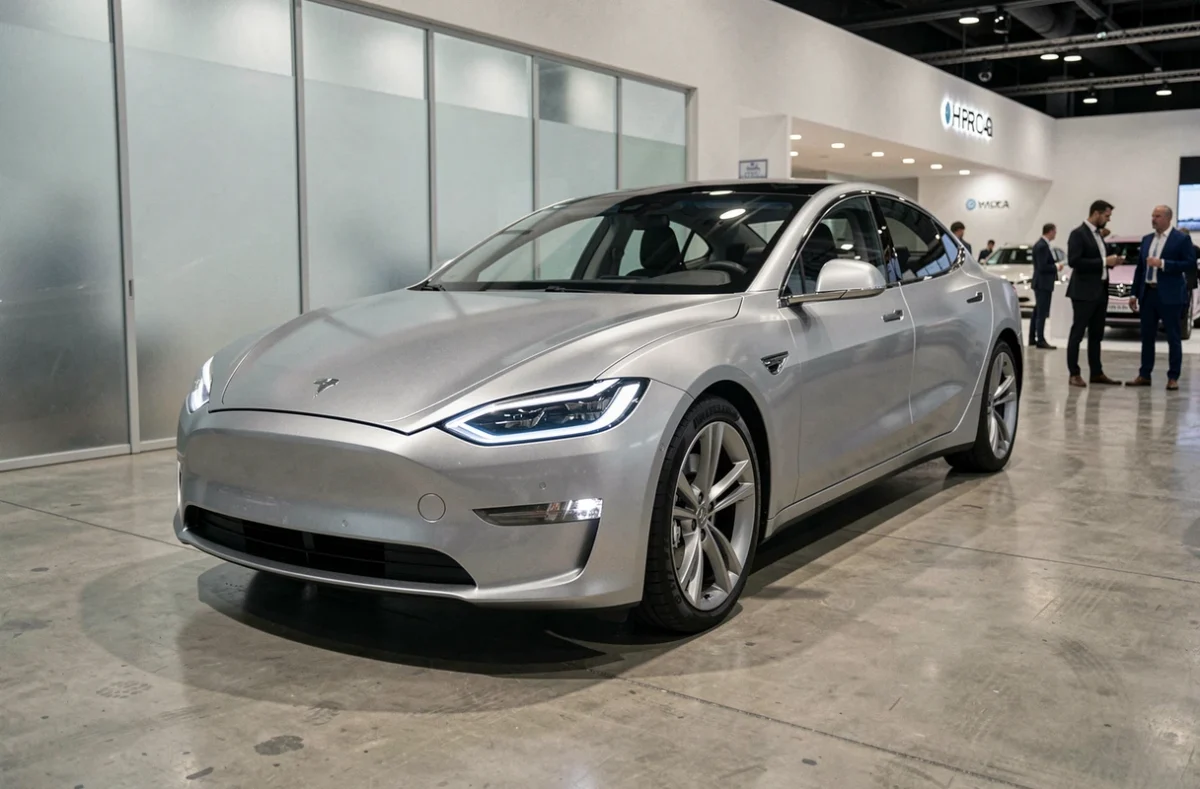
In France, electric cars now account for a growing share of new vehicle sales, and this momentum shows no signs of slowing in 2026. But the road ahead is about more than the models on display at motor shows. Behind the high-profile launches, far-reaching regulatory changes are reshaping what we expect from a car: its lifespan, its real-world emissions (including those from its brakes) and the traceability of its environmental impact.
Euro 7: what’s really changing for new cars at the end of 2026
Have you ever noticed the black dust that settles on your wheels? Those are brake particles. Until now, they were not covered by any regulations. Euro 7 sets limits on brake particles for the first time, not just on exhaust emissions.
The timeline is clear: the standard applies to new types of cars and light commercial vehicles approved from 29 November 2026, then to all new vehicles from 29 November 2027 (subject to exemptions). Requirements for tyre wear are scheduled to apply to new types of tyres approved from 1 July 2028.
In practical terms, this means that an electric car, even without an exhaust pipe, will have to meet these limits on brake-related particles. The common misconception that a vehicle with zero tailpipe emissions has no particulate impact is therefore addressed by this standard.
Another new feature: Euro 7 also introduces battery durability criteria for electric vehicles. Manufacturers will no longer be able to simply advertise an impressive range at the point of delivery. The battery will have to last over time, directly protecting second-hand buyers a few years down the line.
Following Mon Guide Auto news is a good way to keep track of the gradual introduction of these rules, model by model.
Digital environmental passport: a first-of-its-kind technical record for every vehicle
Why introduce this new document? Because comparing the real-world impact of two cars is still difficult today. The digital environmental passport is planned for vehicles approved under Euro 7. It will bring together the vehicle’s environmental information, including its emissions and, for electric models, details about battery durability.
This passport should not be confused with the European battery passport, scheduled to come into effect from 18 February 2027, which specifically focuses on tracing battery components (material origins and recyclability).
For buyers, the difference is tangible. Imagine looking at a used electric car three years from now. With this passport, you’ll be able to check the documented state of health of the battery, rather than relying solely on the seller’s word. The environmental passport makes it easier to resell an electric vehicle with greater transparency.
Used car market in 2026: a revealing contrast
New car sales are rising, driven by electric vehicles. French data for October 2026 shows that used electric cars are gaining ground. However, the used car market as a whole declined over the same period.
This gap is worth examining. It reveals a paradox: the French are buying more new electric cars but selling fewer of their existing vehicles. Several factors may explain this:
- Used electric vehicles remain expensive compared with equivalent petrol or diesel models, slowing the turnover of the vehicle fleet.
- Uncertainty about the actual lifespan of batteries puts some used-car buyers off—an issue the environmental passport aims to address.
- The 2026 environmental penalty, with its threshold lowered to 108 g/km of CO₂ and a weight-based penalty applying from 1,500 kg, is steering new-car buyers towards electric vehicles, but does not necessarily accelerate the depreciation of used petrol and diesel cars.
This contrast highlights the need to consider access to new cars separately from the renewal of the existing fleet. Buying a car in 2026 is not just about choosing a powertrain; it also means anticipating its value five years from now.
Paris Motor Show 2026: beyond the models, the question of repairability
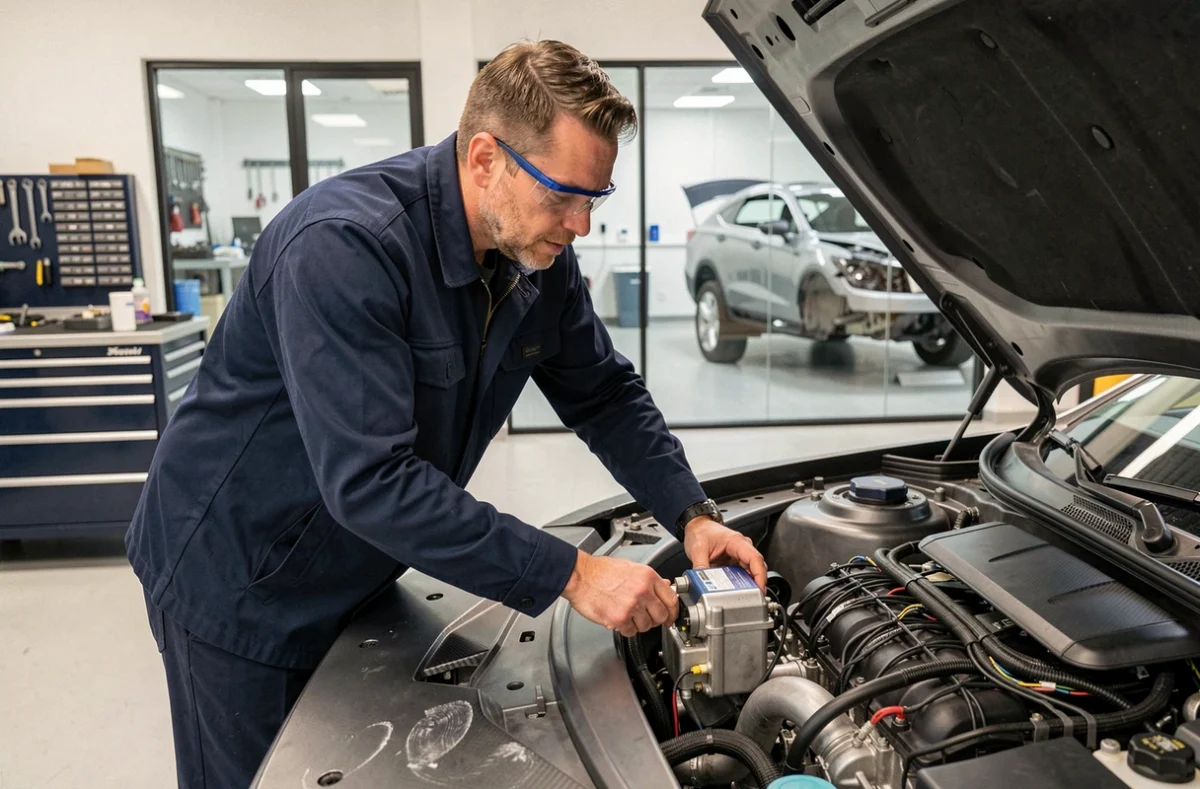
The 2026 Paris Motor Show, scheduled for 12 to 18 October at Paris Expo Porte de Versailles, brought together more than 60 brands and featured numerous world premieres. Models that drew attention included the Dacia Striker, the next-generation Hyundai Bayon, the Lancia Gamma and the all-electric Mercedes-Benz C-Class.
But the real question raised by this year’s show goes beyond design or advertised range. Lifespan and repairability are becoming buying criteria on a par with power and equipment.
Under Euro 7, manufacturers will have to guarantee that their batteries retain their performance over time. The environmental passport will document this durability. And the weight-based penalty penalises heavier vehicles, encouraging engineers to make structures lighter without compromising safety.
Together, these requirements are redefining what makes a good car in 2026:
- A vehicle whose brakes emit fewer particles, not just one with a clean engine.
- A battery whose health can be tracked and is guaranteed over time, not just one with an advertised range at the point of delivery.
- A carefully managed weight to avoid the combined CO₂ and weight-based penalties, which can add significantly to the purchase price.
- A clear resale value thanks to the digital passport, helping protect the initial investment.
The automotive transition in 2026 is as much about durability as it is about innovation. Manufacturers that understand this are no longer content to present appealing concepts. They document, guarantee and make the long-term performance of their vehicles verifiable. For buyers, this means a new way of assessing a car: before looking at the power figures, it makes sense to check its environmental record.