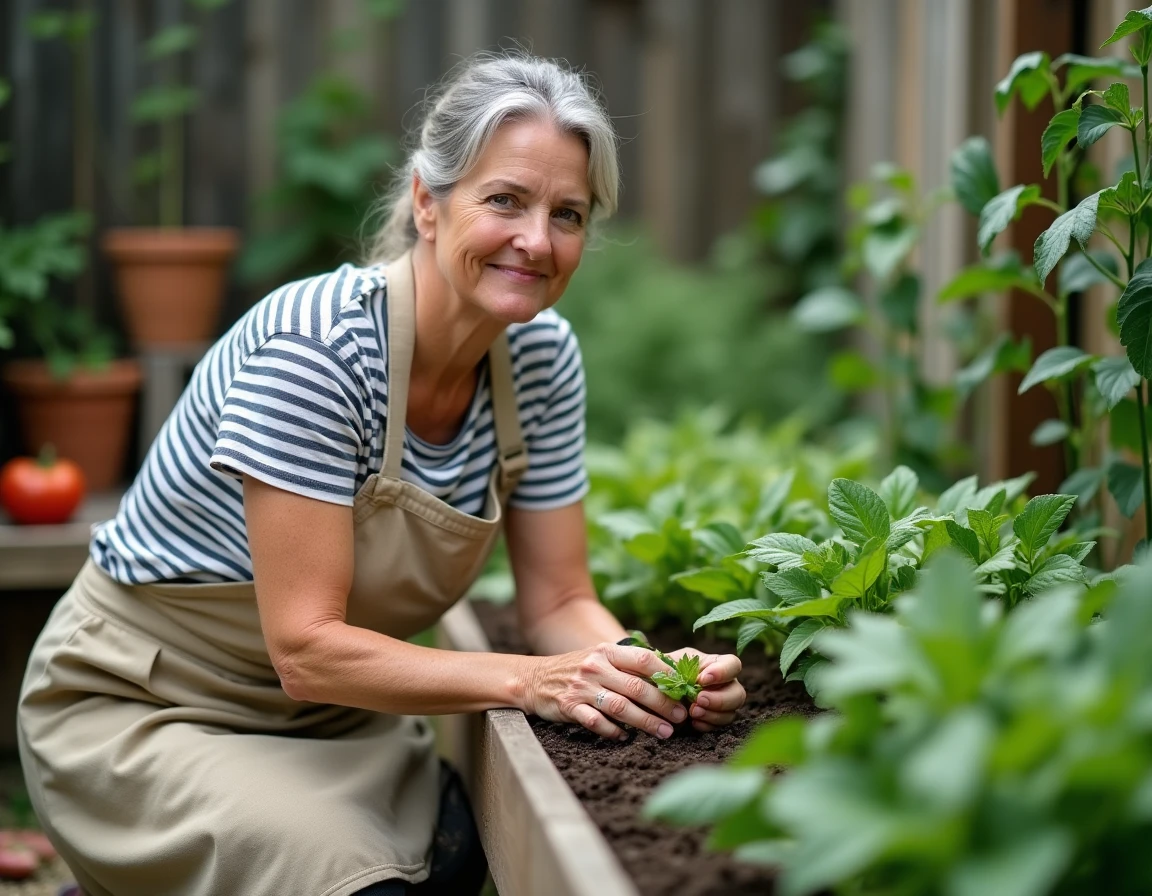
A productive vegetable garden is not just about lining up tomato plants in a raised bed. The difference between a bountiful harvest and a disappointing yield often comes down to a few measurable parameters: soil quality, variety selection, water management, and crop associations. What factors weigh most heavily on the productivity of a family garden, and how can they be prioritized to focus efforts in the right places?
Garden Soil: A Comparison of Practices That Influence Yield
The soil conditions everything else. Compacted or depleted land limits rooting, reduces access to water, and hinders the microbial life that plants depend on. Before choosing seeds, one must assess the structure and fertility of their plot.
| Practice | Effect on Soil | Impact on Yield |
|---|---|---|
| Organic mulching (straw, wood chips, dead leaves) | Maintains moisture, limits weeds, provides food for soil fauna | High: reduces water stress and weeding |
| Adding homemade compost | Improves structure, provides nitrogen and microorganisms | High: looser soil, better root absorption |
| Green manures (clover, phacelia, mustard) | Nitrogen fixation, root decompaction | Moderate to high depending on the planting season |
| Annual deep tilling | Temporarily aerates but disrupts soil life | Low to medium: short-term benefit, long-term degradation |
| No intervention (bare soil) | Crust formation, leaching of nutrients | Low: rapid loss of fertility |
Mulching combined with regular compost application is the most effective duo for a living soil. These two practices reinforce each other: mulching protects the compost from drying out and slows its mineralization, prolonging nutrient availability.
Gardeners discovering the vegetable garden on Conseil au Jardin find useful guidelines to adapt these practices to their soil type and local climate.
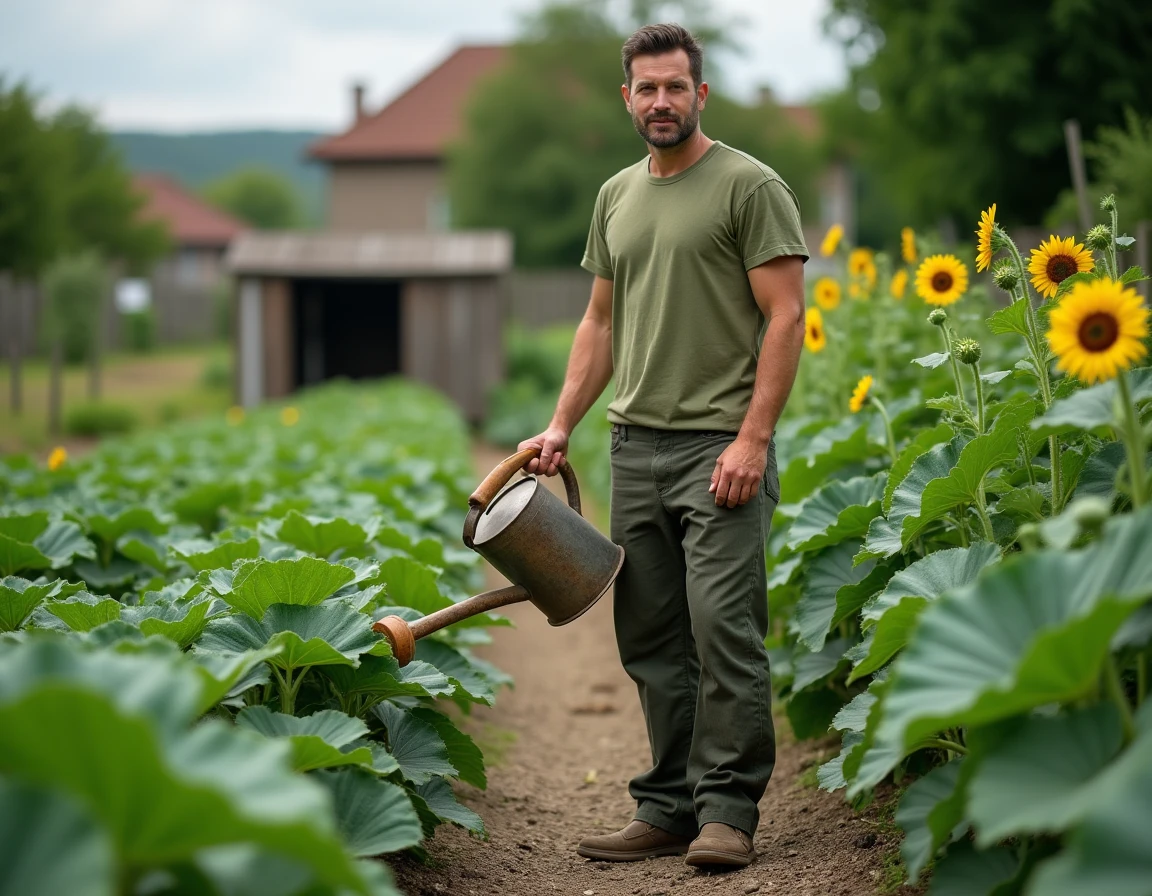
Varietal Diversity and Heirloom Seeds: An Underestimated Lever
Most guides recommend “choosing good varieties” without specifying what that means in practice. Variety selection is not just about choosing between cherry tomatoes and beefsteak tomatoes.
In recent years, the rise of landrace varieties and heirloom seeds has changed practices in the vegetable garden. These seeds, supported by networks like the Réseau Semences Paysannes, offer a broader genetic diversity than commercial F1 hybrid varieties. This diversity gives them better tolerance to water stress and heat waves, two increasingly common constraints.
ANSES and INRAE encourage gardeners to strongly diversify the varieties grown rather than relying on a few “sure bets.” The logic is simple: a garden composed of six or seven different tomato varieties is more resilient to emerging diseases than a garden based on a single variety, no matter how productive it is.
- Favor at least three different botanical families per planting bed to limit the pressure from specific pests
- Test one or two local or heirloom varieties each season, suited to the climate of your region, in addition to the usual varieties
- Participate in seed swaps organized by community gardens or local associations, which provide access to seeds that are hard to find in garden centers
Water Management in the Vegetable Garden: Water Less but Better
Water is the number one limiting factor in most French vegetable gardens during summer. Watering abundantly every evening is a common habit, but it is counterproductive.
Frequent and shallow watering encourages roots to stay near the surface, making plants more vulnerable to drought as soon as a watering is missed. Deep and spaced watering forces roots to go deeper, improving the plant’s resilience and reducing total water consumption over the season.
Mulching plays a direct role here: a sufficiently thick layer of organic material at the base of crops significantly reduces evaporation. Combined with drip irrigation or watering at the base (never by spraying on the foliage), this system helps maintain consistent moisture without waste.
Rainwater Harvesting
A rainwater collector connected to a downspout covers a significant portion of the needs of a medium-sized vegetable garden in spring and fall. In the height of summer, additional watering is still necessary, but the buffer reserve prevents watering spikes that stress the crops.
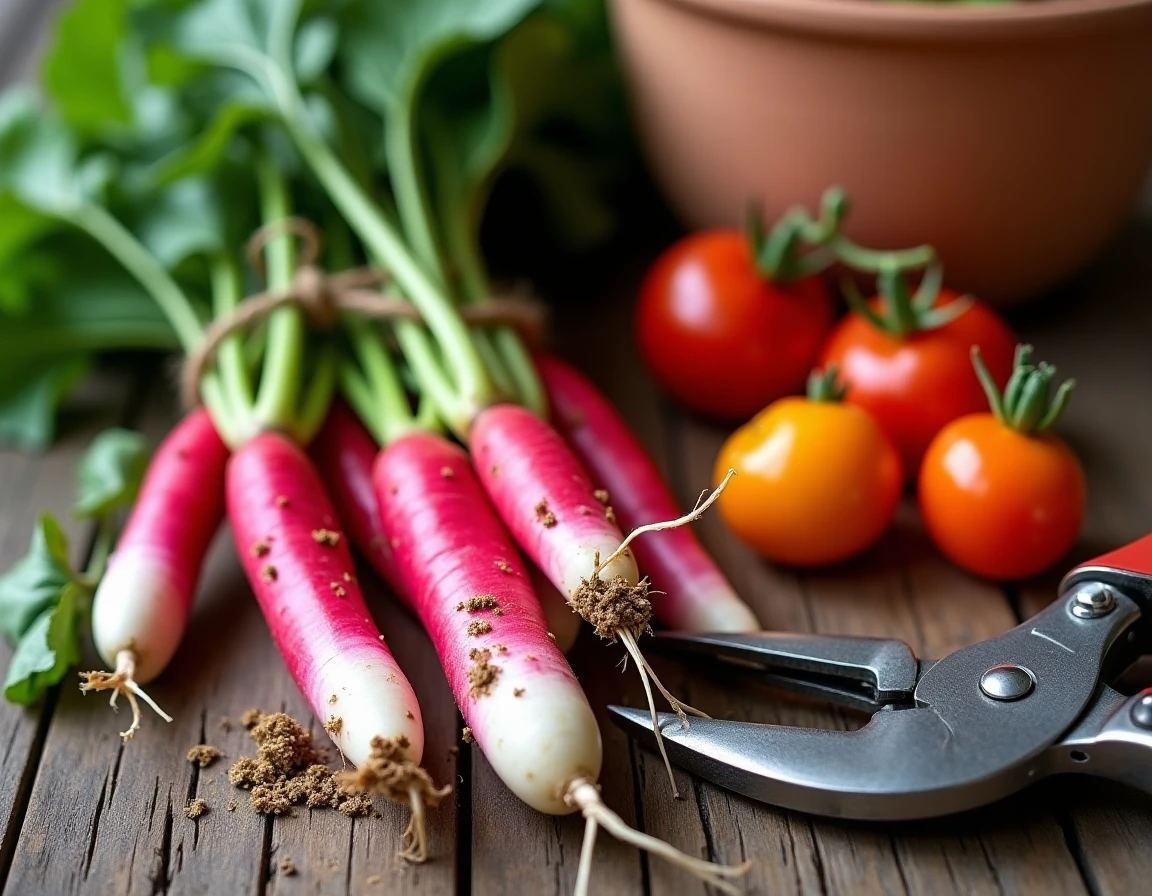
Crop Rotation and Plant Associations: Two Complementary Logics
Crop rotation and plant associations serve distinct objectives, often confused.
Rotation affects the soil from year to year. Alternating botanical families on the same plot prevents the accumulation of specific pathogens and balances nutrient extraction. A classic scheme rotates fruiting vegetables (tomatoes, zucchinis), leafy vegetables (lettuces, spinach), root vegetables (carrots, beets), and legumes (beans, peas) across four zones.
Plant associations, on the other hand, act within the same season. Certain combinations have a measurable effect on pests:
- Marigolds planted at the base of tomatoes repel certain soil nematodes and attract hoverflies, predators of aphids
- Basil associated with tomatoes limits the presence of certain flying insects through its aromatic compounds
- Dwarf beans interspersed between corn rows fix atmospheric nitrogen, directly available for the neighboring corn
- Nasturtiums, planted at the edges, attract aphids away from the main crops and serve as trap plants
Combining annual rotation and seasonal associations produces a cumulative effect: the soil remains healthy from year to year while interactions between plants limit interventions during the season.
Vegetable Garden and Food Resilience: The Context Has Changed
The creation of family vegetable gardens has significantly increased since the pandemic of 2020, according to observations from INRAE and FranceAgriMer. The motivations go beyond leisure: food security, response to inflation on fruits and vegetables, and the search for autonomy.
This change in context also modifies practices. Gardeners focused on resilience prioritize storable crops (potatoes, squash, onions, garlic) and permaculture techniques that reduce dependence on external inputs. Homemade compost replaces commercial fertilizers, and reproducible seeds replace F1 hybrids that must be repurchased each spring.
A vegetable garden designed with this perspective does not resemble a traditional leisure garden. The choices of crops, space management, and planting schedule respond to a real food yield objective, not just the pleasure of gardening. This distinction guides decisions from the planning of the first season.